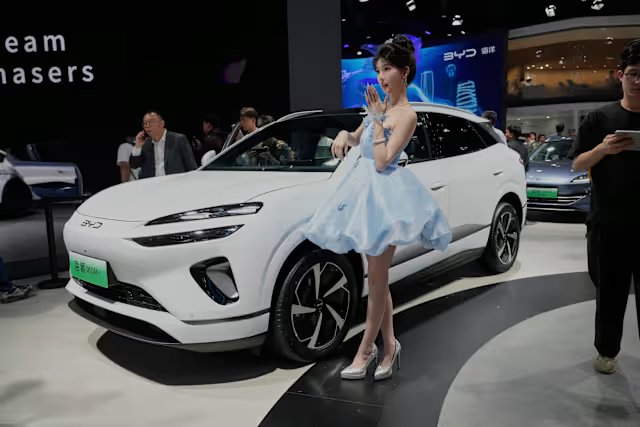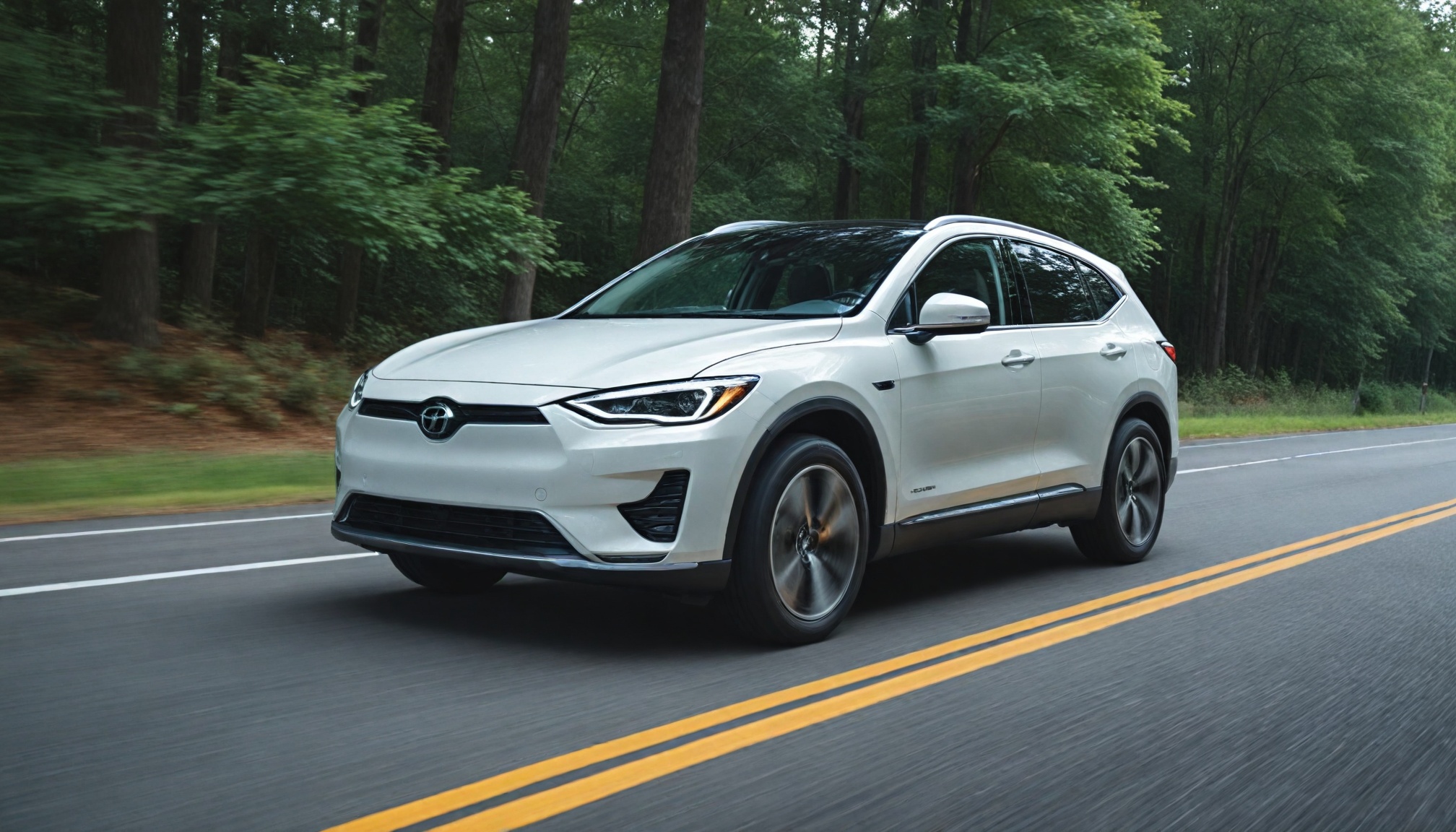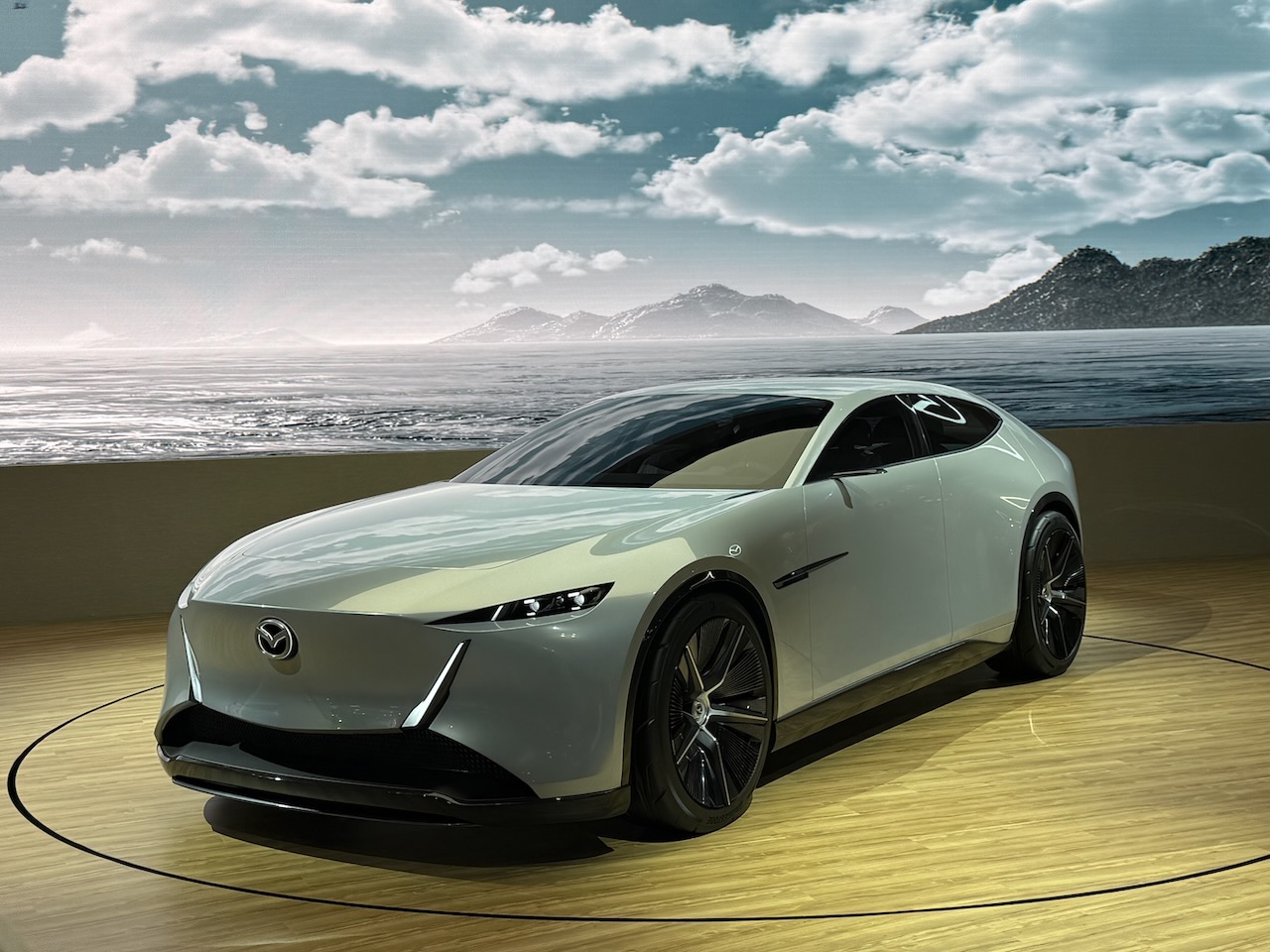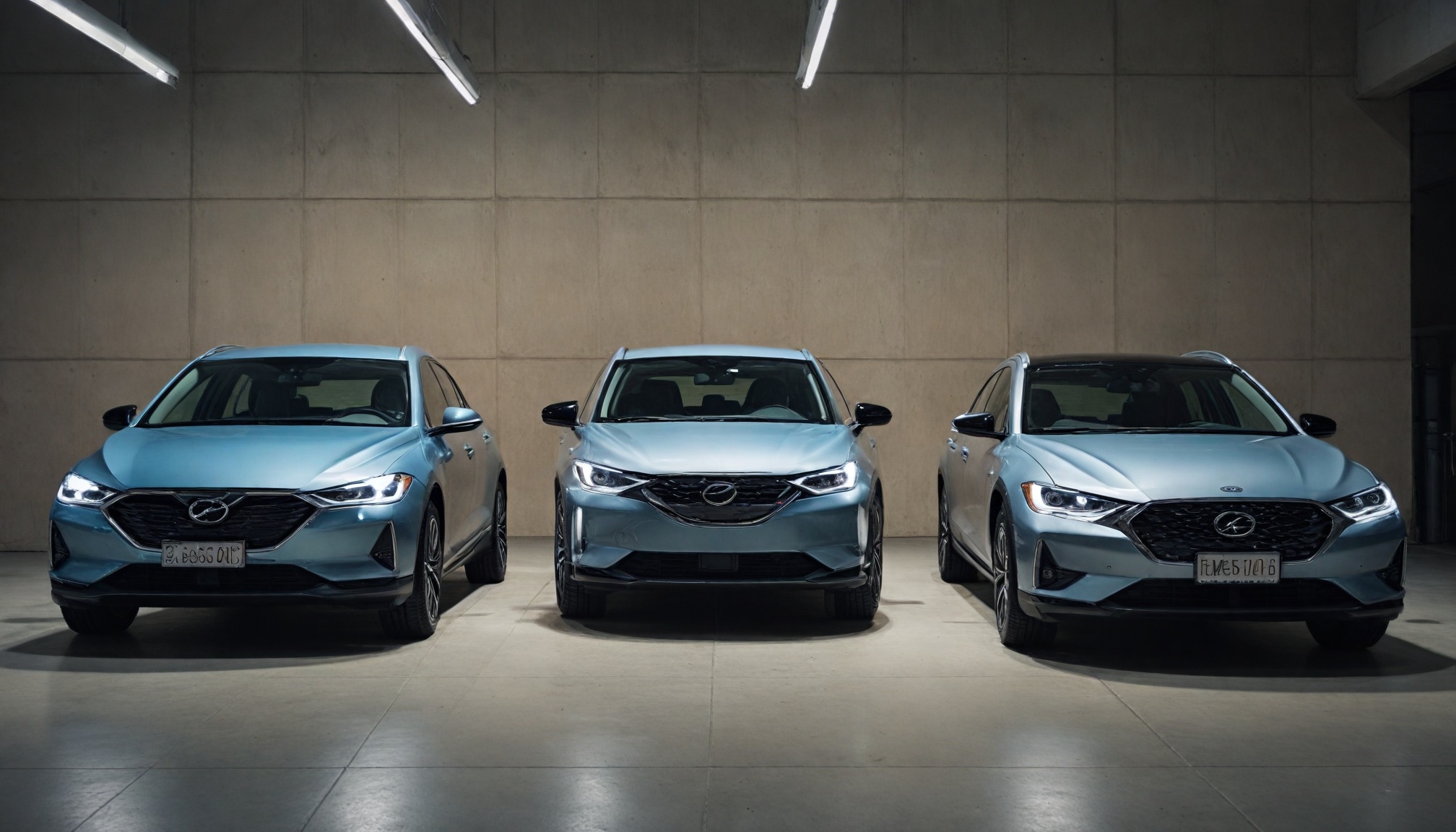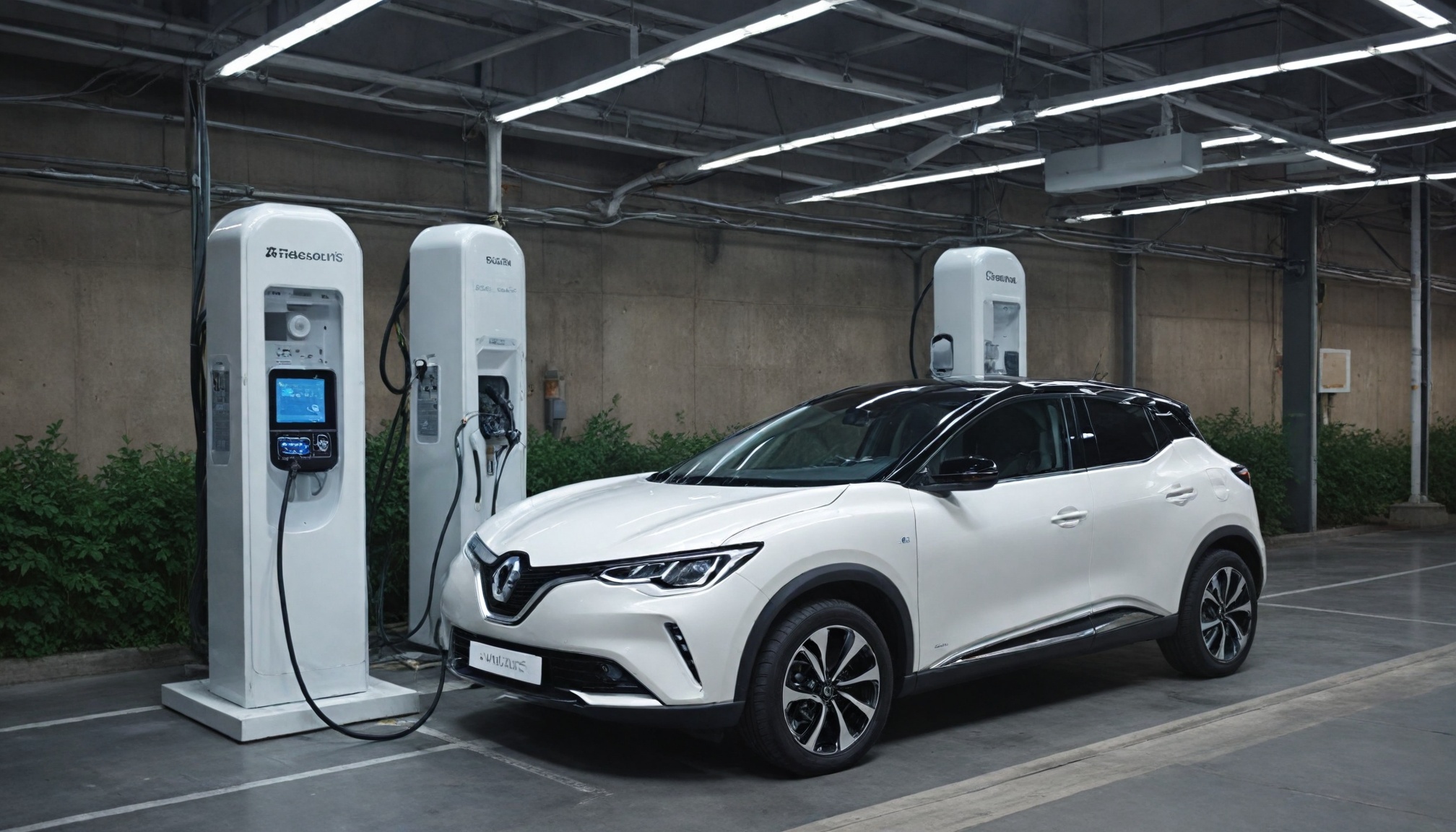
Renault-Nissan-Mitsubishi Alliance transforms Europe into an EV powerhouse through shared platforms while preserving brand identities and accelerating development cycles.

Drivetech Partners
The Renault-Nissan-Mitsubishi Alliance's collaborative investment in Ampere is transforming Europe into a competitive EV manufacturing hub despite recent changes in direct investment commitments. Through shared EV platforms that preserve brand identities, the alliance is accelerating development cycles and establishing circular battery ecosystems while supporting the continent's ambitious charging infrastructure goals.
Key Takeaways
- The Alliance's €550 million investment in the Douai manufacturing plant enables production of six different EV models across four distinct brands
- Modular AmpR Small and Medium platforms allow each brand to maintain unique identities while sharing core technology
- Development cycles have been reduced to just three years from concept to market, enhancing competitiveness against global EV manufacturers
- Europe's EV charging infrastructure represents a €79 billion opportunity by 2035, requiring over 53 million charging points
- The alliance is supporting circular battery ecosystems through recycling initiatives and strategic partnerships across Europe

The Alliance's Strategic Vision for European EV Manufacturing
The Renault-Nissan-Mitsubishi Alliance has established a powerful collaborative approach through Ampere, Renault Group's dedicated EV and software entity. This strategic partnership aims to advance electric vehicle innovation across Europe, creating a competitive manufacturing hub. Despite Mitsubishi cancelling its planned €200 million investment in May 2025 and Nissan being released from direct investment obligations in March 2025, both companies remain committed to collaborative EV development with Ampere.
This flexible approach to collaboration demonstrates the alliance's ability to adapt while maintaining their shared vision. The partnership creates substantial business synergies through platform sharing while enabling each brand to maintain its unique identity in the marketplace. This balanced approach allows for cost savings in development and production while preserving the distinct character that customers expect from each manufacturer.
Douai: The €550 Million Production Powerhouse
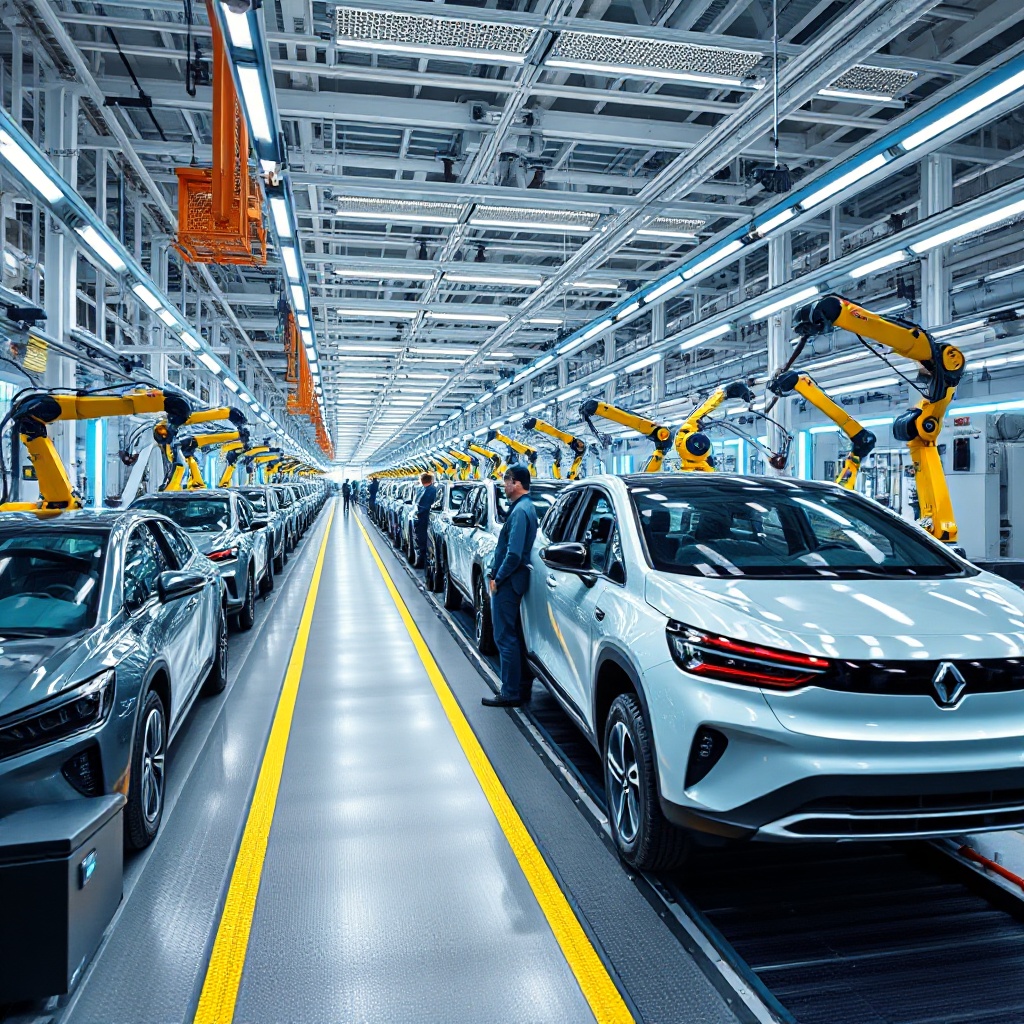
Ampere's Douai plant has received a substantial €550 million investment to establish cutting-edge modular production lines. This investment supports both the AmpR Small (segment A/B) and AmpR Medium (segment C) platforms, creating a flexible manufacturing center capable of producing multiple vehicle types on the same lines.
The facility now supports an impressive six different EV models across four brands: Renault (Mégane E-Tech, Scénic E-Tech, R5 E-Tech), Alpine (A290), Nissan (Micra EV), and Mitsubishi (Eclipse Cross BEV). This versatility demonstrates the plant's central role in the alliance's European production strategy.
In context, Europe produced 87.4 million cars in 2024, with CEE countries (Poland, Czechia, Slovakia, Hungary, Romania) assembling over 3.71 million passenger cars. The major plant upgrades at facilities like Douai could increase Europe's EV manufacturing capacity by 2.1 million units annually, reaching 5.1 million units by 2027.
Shared Technology, Distinct Identities
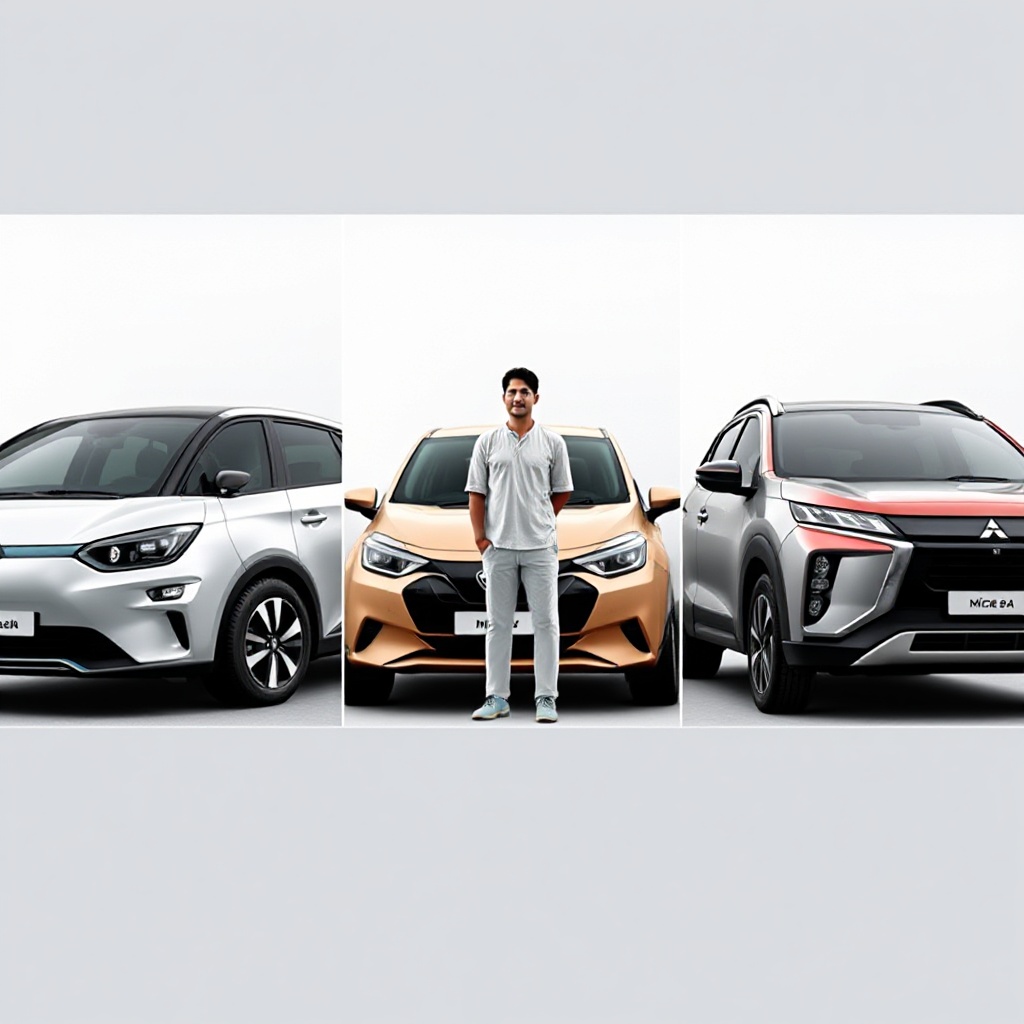
One of the alliance's key strengths is how Ampere develops modular architecture platforms that enable different brands to build unique electric models. The AmpR Small and AmpR Medium platforms serve as technological foundations that can be adapted to each brand's specific needs and market positioning.
While sharing core technology, each brand maintains exclusive styling and features tailored to European preferences. Specific examples include the Nissan Micra EV and Mitsubishi Eclipse Cross BEV, which share underlying technology but reflect distinct brand identities that customers immediately recognize.
For instance, Mitsubishi's Eclipse Cross will share drivetrain options with the Renault Scenic E-Tech Electric, offering both 60 kWh/125 kW and 87 kWh/160 kW configurations. This approach maximizes efficiency in production and development while preserving the unique character that differentiates each brand in the marketplace.
From Concept to Market: Accelerating Development Cycles
Joint projects facilitated by Ampere's expertise and flexible plant operations enable rapid scaling of mass-market EV launches. This acceleration gives European manufacturers a competitive edge against global rivals who are also racing to dominate the EV market.
The Renault 5 E-Tech Electric and Nissan Micra EV exemplify these shortened development cycles, moving from concept to market in just three years. This represents a significant improvement over traditional automotive development timelines, which often stretched to five years or more.
Launches scheduled for the second half of 2025 include the Nissan Micra and Mitsubishi Eclipse Cross EVs at the Douai plant. These upcoming models demonstrate how Ampere's innovations and faster product development cycles enhance European competitiveness in the global EV market.
The €79 Billion Opportunity: Europe's Charging Infrastructure
For EVs to reach their full potential, Europe needs a robust charging network. Current projections indicate that Europe will need over 53.4 million charging points by 2035, requiring a 17% annual growth rate in installations to support expanding EV adoption.
This represents a massive business opportunity, with the EV charging market in Europe projected to reach €79 billion by 2035, up from €18.4 billion in 2024. The infrastructure breakdown includes 42.3 million chargers in residential buildings, 9.6 million at work and destination locations, plus extensive public charging networks.
The Alliance and Ampere are strategically positioned to benefit from and support this infrastructure buildout through their dealer networks and industry partnerships. Their ability to coordinate vehicle development with charging solutions creates a holistic approach to electrification that benefits consumers and strengthens the European EV ecosystem.
Battery Electric Market Growth in Europe
Battery electric vehicles (BEVs) are gaining significant market traction across Europe. They accounted for 15.6% of EU car registrations in the first seven months of 2025, with 1,011,903 new BEVs registered during this period.
This market share represents an important increase from 12.5% in 2024, indicating accelerating consumer adoption of fully electric vehicles. The trend suggests that European consumers are increasingly comfortable with electric mobility and that the infrastructure is maturing to support this transition.
Alliance manufacturers are well-positioned to capture this growing market through their shared technology platforms. By leveraging economies of scale while maintaining brand differentiation, they can offer compelling electric vehicles that meet the specific needs and preferences of European consumers.
Circular Economy: Building a Sustainable Battery Ecosystem
Beyond manufacturing and sales, Europe's automotive sector is implementing circular battery recycling strategies for both regulatory compliance and environmental leadership. This approach addresses the entire lifecycle of EV batteries, from production through reuse and recycling.
Poland has emerged as a key hub in this ecosystem, hosting Europe's first gigafactory and attracting investments from major players like LG Chem (which received a €480 million EIB loan), Umicore, IONWAY, and SK IE Technology. These facilities support local battery manufacturing and recycling operations that are essential to sustainable EV production.
The EU's regulatory environment and industrial policies incentivize closed-loop recycling and reuse of battery components. By investing in these circular economy initiatives, the Alliance is not only preparing for future regulations but also reducing environmental impact and securing valuable materials for future battery production.
Sources
electrive.com - Mitsubishi cancels Ampere investment agreement
acea.auto - New car registrations 0.7% in July 2025; Year-to-date battery-electric 15.6% market share
alliancernm.com - The Road to 2030
delorscentre.eu - Europe's car industry in transition
news.futunn.com - Renault-Nissan-Mitsubishi Alliance advances joint project at Ampere's
transportenvironment.org - Europe's automotive industry at a crossroads