AI-powered vehicle monitoring transforms fleet management with unified telematics, delivering real-time insights and turning reactive maintenance into proactive asset optimization.

Drivetech Partners
AI-driven vehicle monitoring platforms like Treon Connect are revolutionizing fleet management across logistics and industrial operations. These unified telematics solutions integrate real-time data from diverse vehicle types, creating a centralized hub that transforms reactive maintenance into proactive asset management while delivering measurable operational savings.
Key Takeaways
- Unified telematics platforms deliver unprecedented visibility across diverse fleets regardless of vehicle type, manufacturer, or location
- Organizations can achieve millions in operational savings through improved asset uptime, reduced maintenance costs, and elimination of manual inspections
- The shift from reactive to predictive maintenance reduces emergency repairs by 30-40% while extending asset lifespans by 15-25%
- Seamless integration with existing systems breaks down data silos and enables real-time, data-driven decision making
- AI-powered monitoring enhances safety and sustainability, reducing incident rates by 20-30% and cutting fuel consumption by 10-15%
The Digital Revolution in Fleet Management: How Unified Telematics is Reshaping Logistics Operations
The logistics and industrial operations landscape is experiencing a fundamental transformation driven by unified telematics platforms. Solutions like Treon Connect Vehicle Monitoring are breaking new ground by offering comprehensive visibility across entire fleets, regardless of vehicle type, location, or manufacturer. This represents a significant leap from traditional siloed monitoring approaches that limited cross-fleet insights.

These platforms excel in complex operational environments like ports and container terminals where diverse vehicle types - from RTGs and straddle carriers to forklifts and STS cranes - must function together efficiently. The centralized management capabilities enable operators to monitor and optimize their entire fleet from a single dashboard, creating unprecedented operational clarity.
The transition from fragmented monitoring systems to unified platforms marks a pivotal shift in how organizations approach fleet asset management. Rather than dealing with multiple disconnected systems, operators gain a comprehensive operational view that supports faster decision-making and more efficient resource allocation across all vehicle types.
Unlocking Millions in Operational Savings: The Financial Case for Integrated Vehicle Monitoring
The financial impact of integrated vehicle monitoring extends far beyond simple cost reduction. For large-scale logistics and industrial operations, these systems can unlock millions in operational savings through multiple efficiency channels. The ROI stems from both direct cost reductions and opportunity gains across operations.
Cost reductions materialize through several key mechanisms:
- Improved asset uptime that keeps vehicles operational
- Optimized fleet utilization that maximizes productivity
- Reduced downtime that prevents operational bottlenecks
- Minimized idle time that cuts unnecessary fuel consumption
Perhaps most significant is the dramatic reduction in maintenance costs through predictive capabilities. By identifying potential failures before they occur, organizations can schedule maintenance during planned downtime rather than responding to emergency breakdowns. This approach reduces emergency repairs by 30-40% while extending asset lifespans by 15-25%.
The elimination of manual inspections delivers additional savings through direct labor cost reduction and improved resource allocation. Maintenance teams can focus on addressing actual issues rather than performing routine checks on properly functioning equipment, creating a more efficient workforce distribution.
From Reactive to Proactive: How Predictive Maintenance is Transforming Asset Uptime
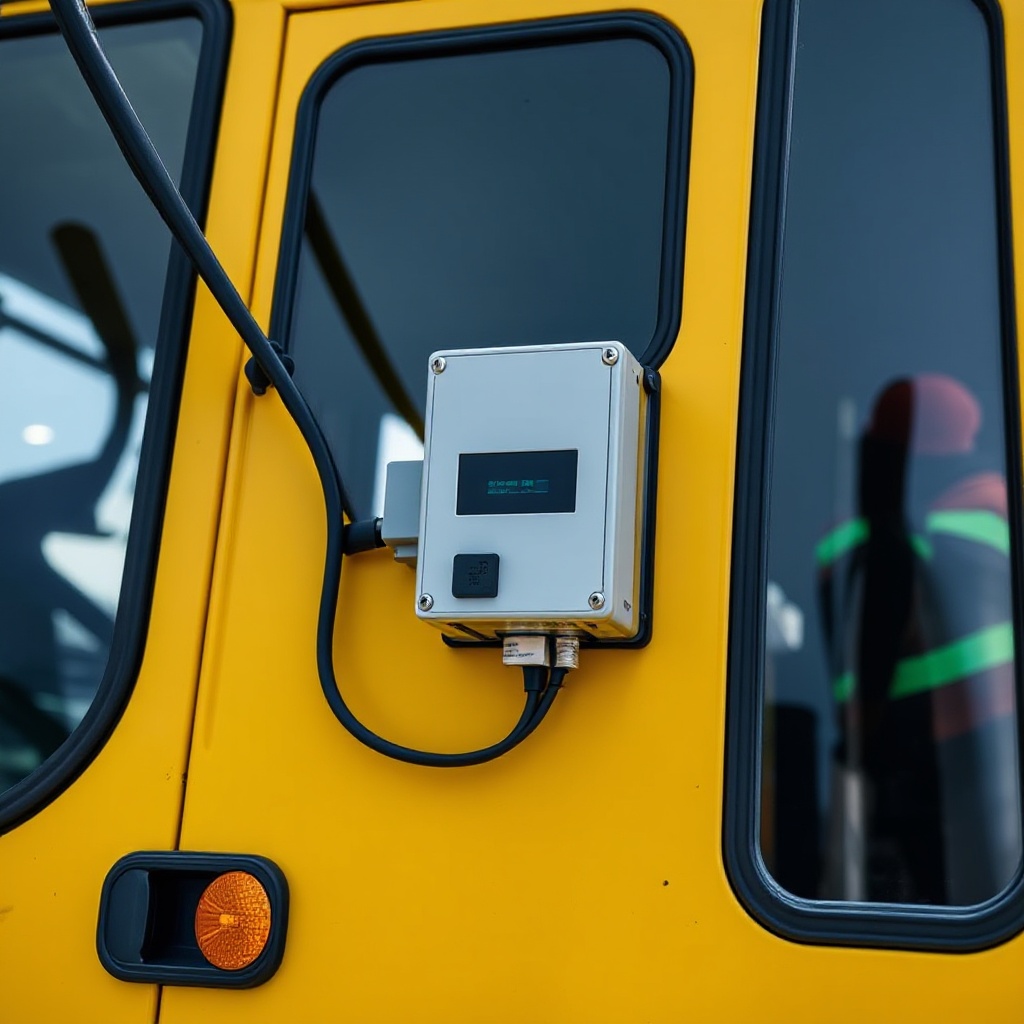
The transition from reactive to proactive maintenance represents one of the most transformative capabilities of platforms like Treon Connect. Traditional maintenance approaches rely on responding to breakdowns or adhering to rigid maintenance schedules that may not reflect actual usage conditions. AI-driven monitoring fundamentally changes this dynamic.
Predictive maintenance alerts detect potential failures before they manifest as operational issues, substantially reducing unplanned downtime. The system achieves this through real-time condition monitoring of critical parameters including:
- Engine performance metrics
- Hydraulic system pressure and function
- Structural component integrity
- Operational anomalies that suggest developing issues
AI algorithms analyze this data to identify maintenance needs based on actual usage patterns rather than arbitrary schedules. This intelligence-driven approach ensures that maintenance happens exactly when needed – neither too early (wasting resources) nor too late (risking failure).
The measurable impact is substantial: equipment lifespan extensions of 15-25% coupled with significant reductions in emergency repair situations. This creates a virtuous cycle where assets remain operational longer, maintenance becomes more predictable, and overall fleet reliability improves dramatically.
Breaking Down Data Silos: Seamless Integration with Existing Systems
One of the greatest challenges in industrial IoT implementation is integrating with existing systems without creating new data silos. Treon Connect addresses this by unifying diverse data feeds through industrial-grade IoT gateways like Treon Edge Sense. These gateways capture and standardize information from multiple sources:
- CAN bus vehicle data
- GNSS location tracking
- Temperature and environmental sensors
- Vibration and structural monitoring
- Third-party and legacy sensor systems
The platform's seamless integration with CMMS (computerized maintenance management systems) and other operational tools ensures organizations avoid vendor lock-in. This cross-system data federation approach accommodates both new technology and existing sensors, protecting previous investments while enabling future expansion.
Flexible deployment options – including SaaS cloud, private cloud, or on-premises installations – allow the system to match specific IT requirements and security policies. The result is a solution that enables real-time analytics and data-driven decision-making while leveraging existing infrastructure, creating a smooth transition path for organizations at any digital maturity level.
Automating Inspections: Eliminating Manual Processes for Enhanced Efficiency
Manual vehicle inspections represent a significant operational burden – they're labor-intensive, prone to human error, and often inconsistent across shifts or locations. Unified monitoring platforms eliminate these challenges through automated data collection that flows directly into a single, actionable dashboard.
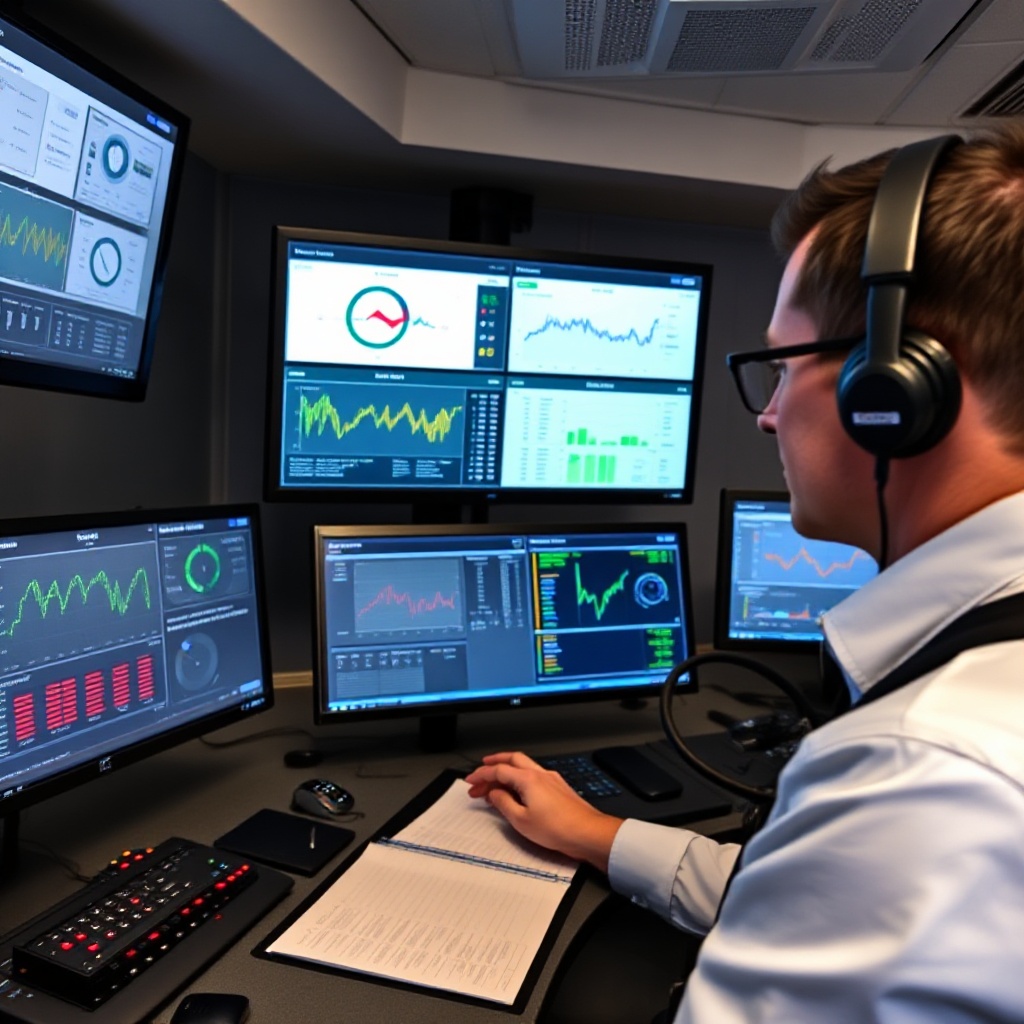
Remote monitoring capabilities allow maintenance teams to assess vehicle health without physical proximity to the equipment. This represents a fundamental shift in how maintenance resources are deployed, enabling a more efficient allocation of technical personnel based on actual need rather than inspection schedules.
The solution's scalability to mixed fleets and multi-site operations enables standardized processes across locations. This standardization is particularly valuable for organizations operating in multiple geographies or with diverse vehicle types. The system is currently deployed across numerous vehicle categories including:
- STS cranes in major ports
- Forklifts in warehouse operations
- Top handlers for container management
- Straddle carriers in global logistics environments
This versatility demonstrates the platform's ability to adapt to various operational contexts while maintaining a consistent monitoring approach across the entire fleet.
Enhancing Safety and Compliance Through AI-Powered Monitoring
Safety remains a paramount concern in industrial and logistics operations, where vehicle-related incidents can have serious consequences. AI-powered monitoring addresses this challenge by identifying and preventing unsafe operation patterns before they result in accidents.
The automated monitoring supports compliance with safety standards and maintenance policies through continuous data collection and analysis. This proactive approach delivers enhanced incident detection and response times through real-time alerts that notify operators and supervisors of potential safety issues.
The impact on safety metrics is substantial, with organizations reporting direct reductions in incident rates by 20-30% through automated hazard alerts. Additionally, the comprehensive logging creates detailed audit trails for regulatory compliance, simplifying reporting requirements and demonstrating due diligence in safety management.
This combination of prevention, detection, and documentation creates a more comprehensive safety ecosystem than traditional approaches that rely primarily on training and post-incident analysis. The result is a safer working environment with fewer accidents, reduced injury risks, and stronger compliance positioning.
Sustainability Benefits: Reducing Environmental Impact While Improving Efficiency
Beyond operational and safety improvements, integrated vehicle monitoring delivers significant sustainability benefits. Energy consumption optimization features help organizations lower their environmental footprint while simultaneously reducing costs – a rare win-win in industrial operations.
Organizations implementing these systems typically achieve quantitative energy and fuel savings of 10-15% through:
- Optimized vehicle usage patterns
- Reduced idle times
- More efficient route planning
- Identification of vehicles operating outside optimal efficiency ranges
These efficiency gains directly translate to reduced carbon emissions, supporting organizational sustainability initiatives and environmental compliance requirements. As environmental regulations become increasingly stringent, these proactive efficiency measures position organizations advantageously for future compliance.
The real-time monitoring capabilities also enable organizations to identify specific vehicles that may be operating inefficiently, allowing for targeted maintenance or operational adjustments that further enhance sustainability performance. This granular approach ensures that improvement efforts focus where they'll have the greatest environmental impact.
Building a Connected Ecosystem: Industry Adoption and Integration Partners
The rapid adoption of integrated vehicle monitoring solutions in industrial settings demonstrates their clear value proposition. Organizations where downtime directly impacts revenue are leading implementation efforts, recognizing the substantial ROI potential of unified telematics.
Ecosystem partnerships extend platform benefits to thousands of operators worldwide through integrations with complementary systems:
- Maintenance platforms like Fleetio for streamlined service management
- Data workflow systems like Wialon for enhanced operational intelligence
- Industry-specific configurations for port operations, manufacturing, and logistics
This growing ecosystem of complementary solutions enhances the overall platform value while providing organizations with flexible implementation paths. Rather than requiring a complete system overhaul, these integration-friendly approaches allow for phased adoption that aligns with organizational readiness and priorities.
As adoption continues to accelerate, industry-specific configurations are emerging that address the unique challenges of particular operational environments. This specialization further enhances the value proposition by delivering more targeted capabilities that address specific industry pain points.